
Why AI Agents Need a Memory Layer
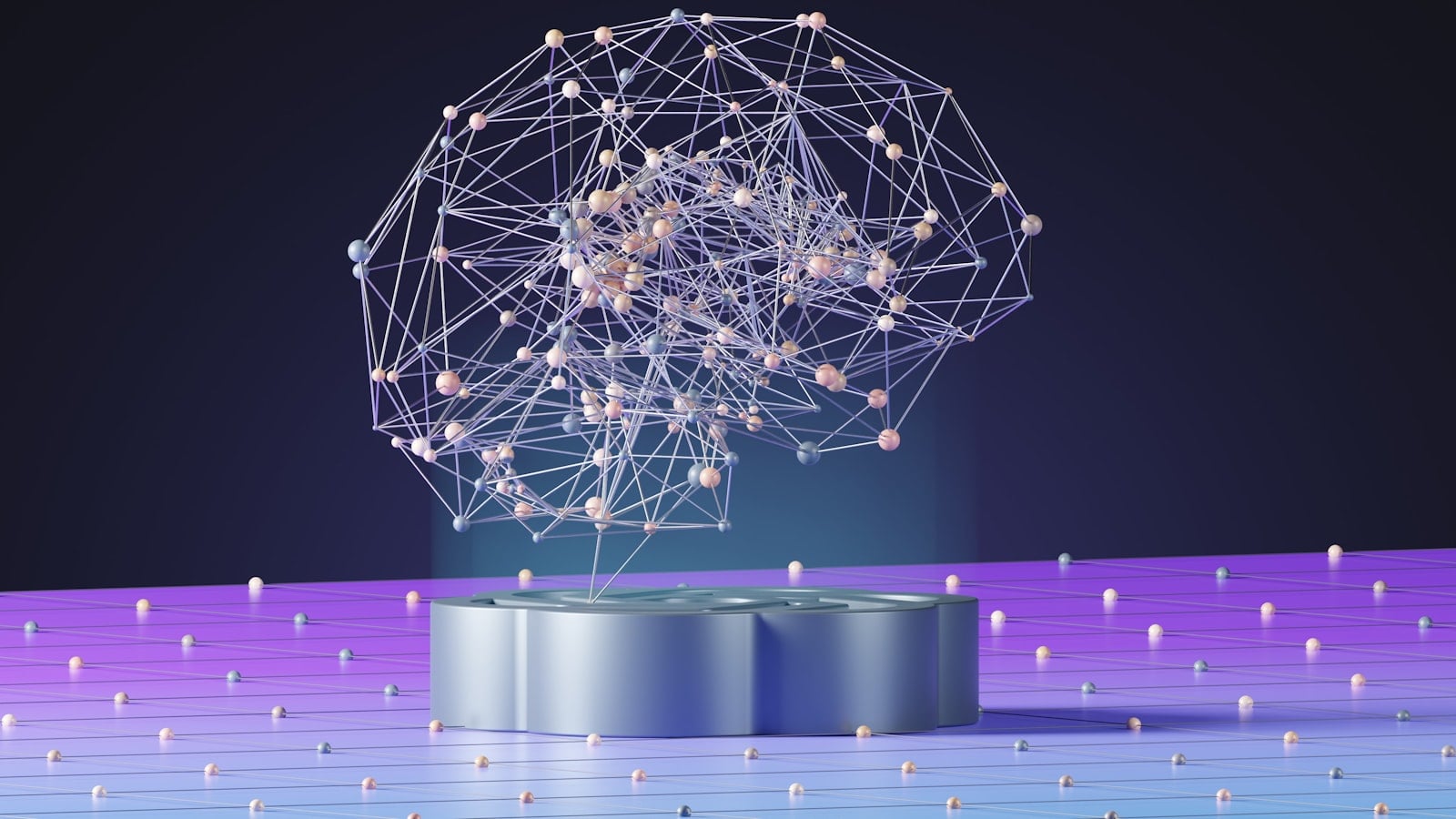
AI agents can read files, call tools, write code, run commands, and reason about problems.
But there is still something they are surprisingly bad at:
Remembering what happened before.
A coding agent can spend an hour working through a problem, discover an important detail about the codebase, make an architectural decision, and then start a new session with very little awareness of any of it.
The context window starts fresh.
The project doesn't.
That gap is what got me interested in memory for AI software engineering.
Context isn't memory
It's easy to treat a large context window as memory.
But they're not the same thing.
Context is what an agent currently has access to.
Memory is what the system has deliberately retained from previous work.
Imagine working on a codebase for several weeks.
During that time, you might discover:
- Why a particular architectural decision was made
- Which approach was already tried and didn't work
- How two components depend on each other
- Why a seemingly strange piece of code exists
- What changed between different points in the project
- How confident you are that a particular observation is still correct
None of that should have to disappear just because a new session starts.
The problem with simply adding an LLM
The obvious solution is to put an LLM in front of everything.
Summarize the conversation.
Store the summary.
Embed it.
Retrieve it later.
That can work, but it also makes the memory system dependent on another layer of intelligence before we've even answered a more fundamental question:
What should an AI software engineering system actually remember?
I wanted to explore that question first.
Introducing Chronicles
That's why I started building Chronicles.
Chronicles is a local-first memory layer for AI software engineering.
Instead of trying to make another coding agent, the idea is to build infrastructure that an agent could use to maintain structured memory across its work.
The core is intentionally simple.
Chronicles currently uses Python, SQLAlchemy, and SQLite.
There is no LLM required for the core memory system.
There is no RAG pipeline required either.
The focus is on representing and managing engineering knowledge itself.
What should an agent remember?
This became one of the most interesting parts of building it.
A useful memory layer can't just be a bucket of text.
Software projects have structure.
An observation can relate to another observation.
A snapshot can represent the state of a project at a particular point.
A piece of information can have a confidence score.
Different branches can have different contexts.
These relationships start to matter when the goal isn't simply to retrieve a paragraph, but to give an agent a better understanding of the project it is working on.
Memory needs to be trustworthy
There's another problem with persistent memory:
What happens when the memory is wrong?
An agent shouldn't blindly trust everything it finds in its own history.
That's why verification is treated separately in Chronicles.
Verification is read-only. It can inspect stored information without silently changing the memory itself.
That separation is small, but important.
A memory system should have a clear distinction between:
what the system remembers
and
what the system currently believes has been verified.
Starting without AI
Chronicles is deliberately starting without an LLM in the core.
That might sound backwards for a project about AI software engineering.
For me, it's the opposite.
I want to understand the memory model before adding a model that can automatically manipulate it.
If the foundation is unclear, adding an LLM doesn't solve the problem. It just makes the system harder to reason about.
So the first version focuses on the boring parts that actually matter:
- Data structures
- Relationships
- Persistence
- Snapshots
- Confidence
- Verification
- Project and branch context
Once those foundations make sense, more intelligent layers can be built on top.
The bigger idea
I don't think AI software engineering will be just about making agents better at generating code.
The interesting part is what happens when agents can build up a persistent understanding of the software they work on.
An agent that can reason about a project for one session is useful.
An agent that can build on what it discovered yesterday is something different.
That's the problem I'm exploring with Chronicles.
Not another agent.
Not another chatbot.
A memory layer for the agents that build software.
And this is just the beginning.